
When glass breaks unexpectedly, it’s more than just a mess — it’s a safety hazard that needs fast, careful attention. Whether it’s a shattered window, cracked door panel, or damaged shopfront, knowing what to do next can save time, stress, and even money.
At Everclear Windows & Doors, our experienced glaziers have seen every type of glass emergency across Sydney and NSW. This guide walks you through the exact steps to take after glass breaks, how to stay safe, what to avoid, and when to call the professionals.
What Causes Glass to Break?
Glass is designed to be strong, but it’s not indestructible. When it breaks, it’s often due to a combination of stress, temperature changes, or impact. Understanding the most common causes helps you prevent future incidents and choose the right type of glass for your property.
1. Impact Damage
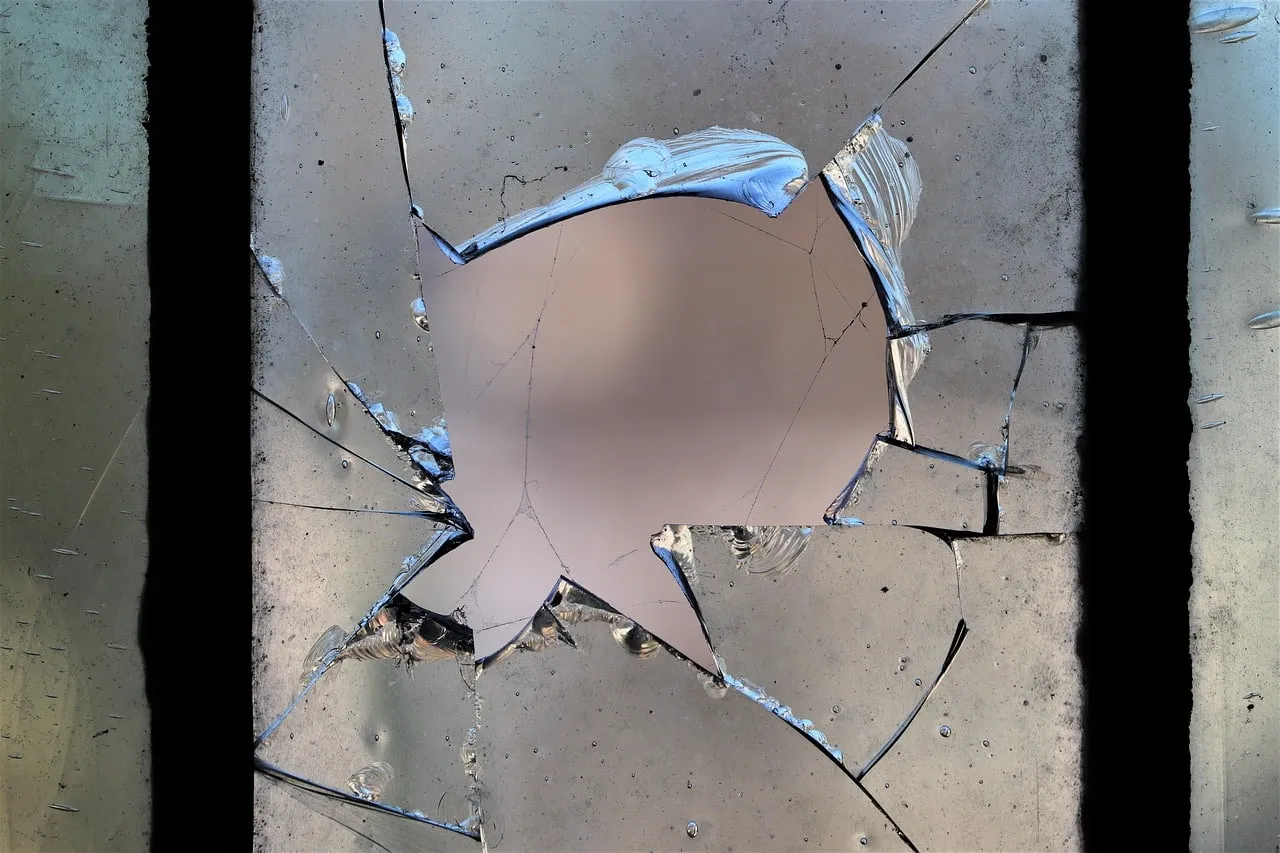
The most common reason glass breaks is direct impact — from a flying object, a slammed door, or even harsh weather. Everyday accidents, like a ball hitting a window or furniture bumping into a glass door, can easily cause cracks or shattering. Severe weather events such as hail, high winds, or debris can also strike glass with enough force to break it. Even a small chip from an impact can weaken the structure, leading to a larger break over time.
2. Thermal Stress (Temperature Changes)
Glass expands when it’s hot and contracts when it’s cold — but when temperature changes happen too quickly or unevenly, thermal stress builds up. For example, a sunlit glass pane that’s partly shaded may expand on one side while the other side stays cool, causing internal tension. Over time, this stress can lead to cracks, especially in larger or older windows. Thermal stress is particularly common in Australian climates, where strong sun and cool nights cause rapid temperature fluctuations.
3. Poor Installation or Frame Pressure
Improper installation is another hidden cause of breakage. When glass is fitted too tightly, unevenly, or with insufficient edge clearance, pressure from the frame can create weak points. Frames that warp, corrode, or expand with moisture can also squeeze or stress the glass. Even a small misalignment during installation can cause hairline cracks that worsen over time.
4. Manufacturing Flaws and Material Defects
Though rare, some glass breakages are due to internal defects formed during manufacturing. Tiny inclusions, such as nickel sulphide particles, can expand slowly inside the glass, creating stress and spontaneous breakage months or even years later. Air bubbles or inconsistencies in tempered glass can also contribute to weakness under pressure or heat.
5. Structural Movement or Building Shifts
Buildings naturally expand, settle, and shift with time. When frames or walls move slightly — due to foundation settling, strong winds, or temperature variations — the glass can experience torsional stress (twisting or bending pressure). Older homes or buildings with flexible structures may see cracks form near corners or edges. Earth tremors or construction work nearby can also contribute to subtle vibrations that lead to cracking.
6. Old or Worn Seals
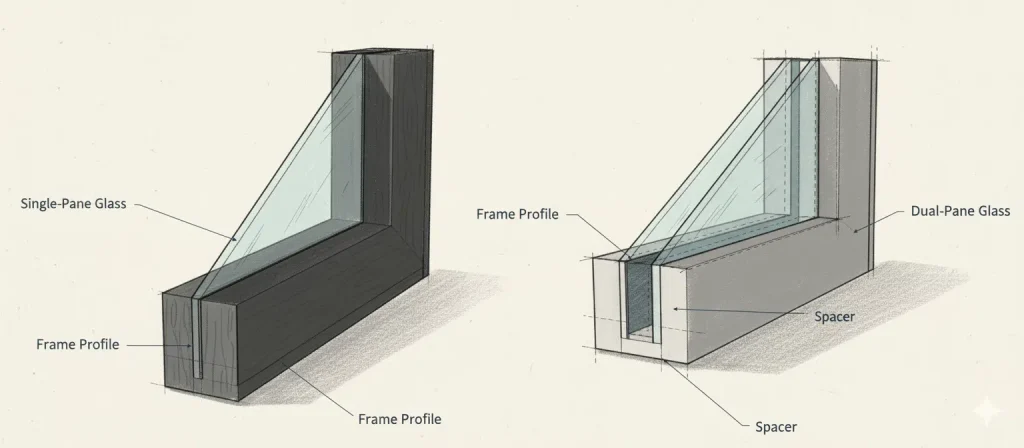
In double-glazed or insulated windows, the seal around the glass plays a key role in maintaining a balance between internal and external pressure. When seals deteriorate due to age, UV exposure, or moisture, they can allow condensation or pressure changes between the panes. This imbalance can cause one pane to crack or fog up.
7. Spontaneous Breakage
On rare occasions, glass can shatter seemingly without cause. This phenomenon, called spontaneous breakage, occurs when internal stress builds up over time from a mix of the above factors — typically thermal changes, inclusions, or installation pressure. It’s more likely in toughened glass, which stores internal tension from its manufacturing process. The result is a sudden, loud shattering, often without warning.
What to Do Immediately After Glass Breaks
Now that you understand what causes glass to break, it’s time to focus on what matters most — your safety and quick response. Broken glass can be sharp, unstable, and hazardous, so the first few minutes after an incident are critical. The following steps will help you secure the area, prevent injuries, and prepare for a professional repair or replacement.
Step 1: Stay Calm and Assess the Situation
Before doing anything, pause and evaluate.
- Keep a safe distance from the broken area.
- Check for injuries and call emergency services if needed.
- Identify the risk zone — is the glass at risk of falling, or are shards scattered across the floor?
- If it’s a shopfront or door, restrict customer or staff access immediately.
Step 2: Secure the Area
Once you’ve ensured everyone’s safety:
- Use tape, rope, or barriers to block off the area.
- Keep children and pets away.
- Lay down thick towels or a drop sheet to catch falling shards.
- Turn off nearby fans or air conditioning to prevent small pieces from spreading.
For commercial properties, display a “Danger – Broken Glass” sign until repairs are completed.
Step 3: Clean Up Carefully
If it’s safe to do so, remove large glass pieces using heavy-duty gloves and protective eyewear.
- Sweep gently with a broom and dustpan — never with bare hands.
- Use a vacuum for small shards (especially on carpets).
- Double-bag broken glass in thick rubbish bags or wrap it in newspaper before disposal.
If the glass is part of a window, door, or storefront, don’t try to remove fragments still attached to the frame — they can collapse without warning. Leave that to a professional glazier.
Step 4: Cover the Damaged Area
To prevent injury or further damage:
- Use sturdy cardboard, plywood, or plastic sheeting to cover the opening.
- Secure it with duct tape or painter’s tape — but avoid putting pressure directly on remaining glass edges.
- For temporary weather protection, apply clear plastic or tarp from the outside.
This helps protect your property from wind, rain, and intruders until proper repairs can be made.
Step 5: Document the Damage for Insurance
If your property is insured, take clear photos and short videos of the damage before cleanup.
Include:
- Close-up shots of the breakage.
- Wider angles showing the affected area.
- Date/time stamps and brief notes about what happened.
Keep any receipts for emergency work, cleaning, or boarding — insurers may require them for claims.
Step 6: Call a Professional Glass Repair Expert
Broken glass should always be repaired or replaced by a licensed glazier. DIY fixes can lead to leaks, security issues, or injury. When choosing a glass repair service, look for:
- 24/7 emergency response
- Australian Standards–compliant glass (AS1288)
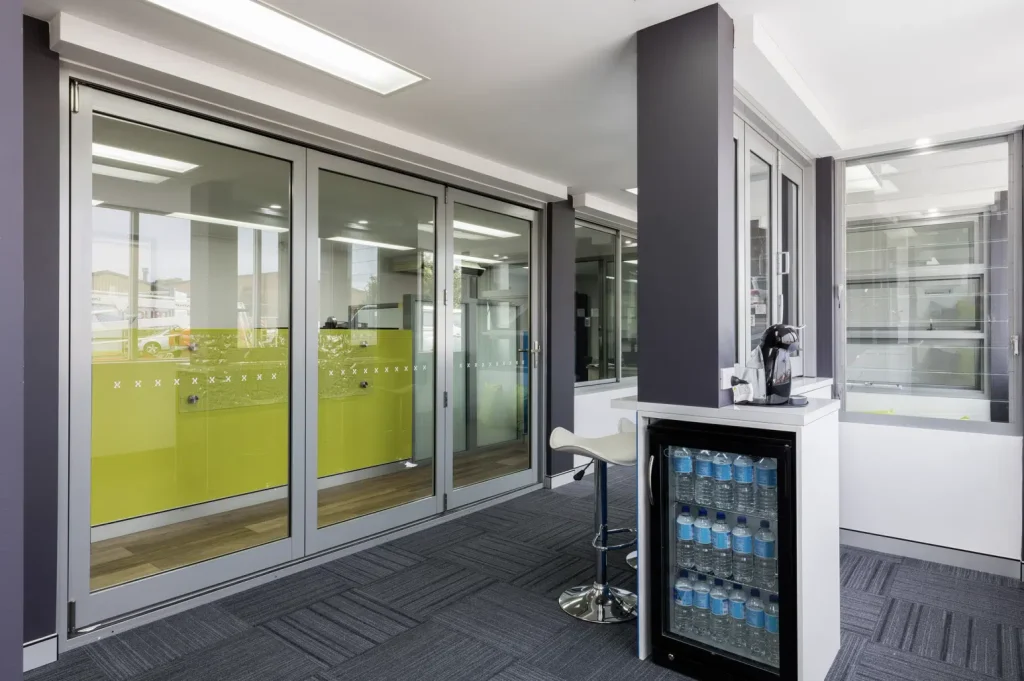
- Experience with your glass type — windows, sliding doors, shopfronts, partitions
- Guarantees on workmanship and materials
At Everclear Windows & Doors, we provide fast, reliable emergency glass repair across Sydney and surrounding areas. Our qualified team handles residential and commercial jobs — restoring your safety, comfort, and peace of mind promptly.
Repair vs Replacement: What’s the Right Choice?
Sometimes, a simple repair is enough. In other cases, full replacement offers better long-term value.
| Situation | Recommended Solution |
| Small crack in a non-critical area | Temporary repair possible |
| Large cracks or a shattered panel | Full replacement required |
| Outdated or single-pane glass | Upgrade to safety or energy-efficient glass |
| Recurrent breakage in the same area | Review installation and frame structure |
A professional glazier can advise the most cost-effective, compliant option.
How to Prevent Future Glass Breakage
Even though accidents can happen without warning, most glass breakages are preventable with a few simple habits and regular maintenance. By taking proactive steps to protect your windows, doors, and glass panels, you can extend their lifespan, reduce repair costs, and keep your home or business safe all year round.
- Inspect frames regularly: Loose or corroded frames increase stress on glass.
Avoid slamming doors and windows. - Install protective films or screens.
- Use safety or laminated glass in high-risk areas.
- Maintain consistent indoor temperature to avoid thermal stress.
- Trim nearby trees to prevent impact from branches during storms.
Typical Costs of Emergency Glass Repair in Sydney
Costs can vary based on glass type, size, and urgency. As a general guide:
| Type of Glass | Estimated Cost (incl. install) |
| Small residential window | $150 – $300 |
| Large window or door panel | $300 – $600 |
| Shopfront or commercial glass | $600 – $1,200 |
| After-hours emergency call-out | +$100 – $200 |
Everclear provides free quotes and upfront pricing — no hidden fees, ever.
Emergency Glass Repair Checklist
Before the glazier arrives:
- Keep everyone safe and away from the area.
- Remove valuables or electronics nearby.
- Take photos for insurance.
- Cover the damaged spot securely.
- Prepare clear access for the repair technician.
Final Thoughts: Act Fast, Stay Safe, and Trust the Experts
Broken glass can be stressful, but with the right response, it doesn’t have to become a disaster. By staying calm, securing the area, and contacting a qualified glazier, you protect both your property and the people around you.
At Everclear Windows & Doors, we’re dedicated to providing fast, professional, and safe glass repair solutions across Sydney and NSW. Whether it’s an emergency replacement or a preventive upgrade, our team is here to restore your peace of mind — any time, day or night.
Contact us now for 24/7 emergency glass repair or request a free quote online to get your glass fixed quickly and safely by Sydney’s trusted glazing experts.