
Key takeaways
- A failed window seal usually shows as condensation trapped between panes, draught gaps, visible rubber cracking, or a foggy unit that won’t clear.
- Window seals can be replaced without replacing the whole window in most cases, but it depends on the seal type and frame condition.
- The three main seal types in Sydney homes are rubber glazing beads, brush/pile seals (on sliding windows), and double-glazed unit seals (IGU seals).
- DIY resealing with silicone is a short-term fix. It addresses weather ingress but not a failed IGU.
- Professional window seal replacement in Sydney typically costs AU$80–250 per window depending on type and access.
- Everclear services all of Sydney from their South Windsor base, with same-week appointments available.
What does a failed window seal look like?
You don’t have to wait for the obvious sign of a failing window seal before acting. There are signs you can look out for, so you can make active decisions about window seal replacements in Sydney.
- Condensation or fogging trapped between two panes. The most common sign of an IGU (Insulated Glass Unit) seal failure on a double-glazed window. The fog sits inside the glass, not on the surface, and won’t wipe off. It often gets worse in winter or after rain.
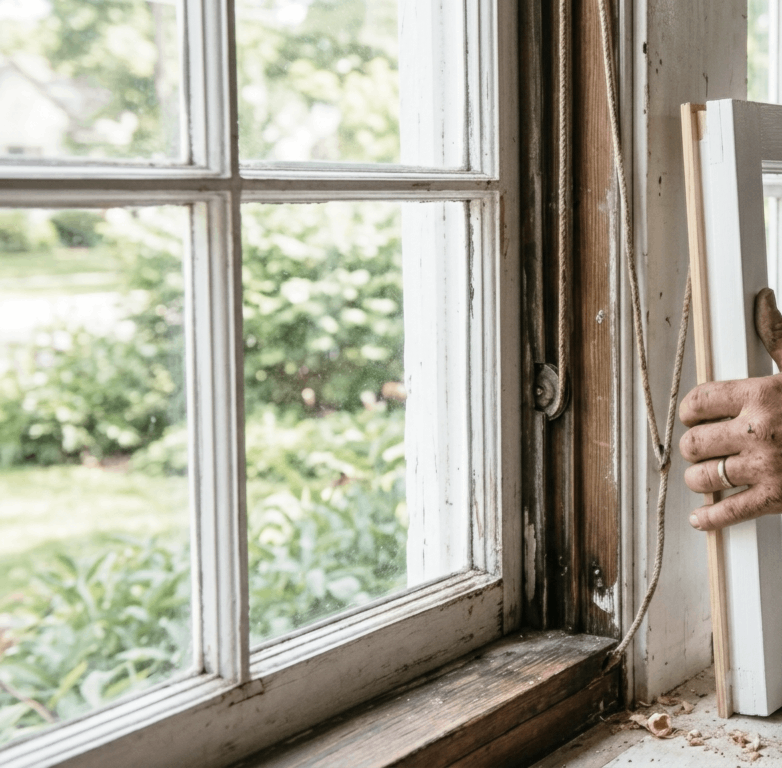
- Visible rubber cracking, shrinkage, or pulling away from the frame. The black rubber strip around your window glass, called a glazing bead, can crack, harden, or pull away from the channel with age and UV exposure. If you can see gaps or the rubber looks brittle, it’s past its useful life.
- Draught or wind noise from a closed window. If you can feel cold air or hear wind through a window that’s fully shut, the seal is no longer doing its job. This is common with older brush seals on sliding windows that have worn flat over years of use.
- Visible gaps between the glass and the frame. On sliding windows and doors, the brush or pile seal sits inside the track channel. When it wears down, there’s a visible gap that lets in dust, wind, and sometimes water.
One thing worth knowing: some seals fail without obvious visible signs. A brush seal that’s worn completely flat can look almost intact but let in significant draught. If your windows suddenly feel colder than usual, run a hand slowly around the frame on a windy day, and you can feel the gap before you see it.
If any of these signs match what you’re dealing with, the next step is working out which type of seal you have. That determines whether you can tackle the window repair yourself or should leave it to a glazier.
Which type of window seal do you have?
Not all window seals are the same, and the type you have affects whether it can be repaired, replaced, or whether the glass unit itself needs to go. The three main types found in Sydney homes are:
1. Rubber glazing beads
This is the black rubber strip that holds the glass pane into the aluminium frame. It sits in a channel that runs around all four sides of the glass and creates a weather seal between the glass and the frame.
Rubber glazing beads are found on most aluminium-framed windows: awning, casement, double-hung, and louvre styles. Louvre window repair often involves this exact component. The rubber degrades with UV exposure and temperature cycling, typically going brittle, cracking, or pulling away from the frame after 15–25 years.
The good news: rubber glazing beads are replaceable. The bead pops out of the channel, a new one goes back in, and the seal is restored.
2. Brush/pile seals
These are the fuzzy strips found inside the track channels of sliding windows and sliding doors. You’ve probably seen them without knowing what they were. They create a soft barrier that blocks wind, dust, and insects from passing through the gap where the panel slides.
Brush seals are common in homes built from the 1980s through to the early 2000s. They wear flat over time with repeated use, and once they’re flat, they stop sealing. If your sliding door or window has become draughtier or dustier than usual, this is almost always why.
Like glazing beads, brush seals are replaceable. The worn strip pulls out of its channel, and a new roll is cut to length and pressed back in.
See also: sliding door repair and replacement if the frame or track is also damaged.
3. IGU seals (double glazed unit seals)
This is the seal inside a double-glazed window unit, between the two panes of glass. The space between those panes is filled with argon gas, which provides the insulation. The IGU seal keeps that gas in and moisture out.
When an IGU seal fails, the argon escapes and moisture enters the gap. That’s what causes the permanent fogging you can’t wipe off. This is not a rubber strip you can pop out and replace; the entire glass unit (the IGU) needs to be replaced. The aluminium frame itself can usually stay, which keeps the cost significantly lower than a full window replacement.
Not sure which type you have? A quick rule of thumb: if your window has a single pane of glass, you likely have rubber glazing beads. If it slides along a track, check for brush seals. If it has two panes with a visible air gap between them, it’s a double-glazed IGU. For awning and casement window repair, it’s almost always rubber beads.
Can you replace a window seal yourself?
The honest answer is: sometimes. It depends entirely on which type of seal you have and the condition of the frame.
DIY is a reasonable option when:
- The seal is a rubber glazing bead on a single-pane aluminium window. In most cases, the bead pops out of its channel without tools. Replacement rubber bead stock is available from glazier suppliers and some Bunnings stores. Match the original bead profile size carefully before you buy.
- The seal is a brush/pile seal on a sliding window or door. The old strip pulls out of the channel and a new roll is pressed or snapped back in. It’s available by the metre. Measure the channel width first.
- You need a temporary external silicone seal to stop water ingress while you wait for a glazier. This doesn’t fix the underlying problem, but it can prevent water damage in the short term.
Call a glazier when:
- The fogging is between two panes of glass. This is an IGU failure. There is no DIY fix. Resealing the outside of the frame with silicone will not clear the fog or fix the insulation failure.
- The rubber bead is on a double-glazed unit. Removing it without the right tools and technique risks cracking the glass. This is a glazier job.
- The frame is warped, corroded, or the channel is damaged. A new seal in a damaged channel won’t create a proper seal. The frame issue needs to be addressed at the same time.
- You’re not sure which type of seal you have. Buying the wrong material is a waste of money, and a bad DIY attempt on the wrong seal type can make the job harder and more expensive later.
Not sure which camp you’re in? Call Everclear at 1300 854 726. We’ll tell you over the phone before you spend anything.
How much does window seal replacement cost in Sydney?
These figures are indicative ranges based on market research for standard residential windows. This is not Everclear’s actual pricing schedule.
Factors that affect the final price include access difficulty (upper-floor windows cost more to service), the number of windows being done in a single visit, frame condition, and glass size. Everclear quotes on a per-job basis and can assess multiple windows in a single visit.
| Seal type | DIY cost | Professional cost (Sydney) |
|---|---|---|
| Rubber glazing bead (single pane) | $20–$50 (materials only) | Quote on request |
| Brush/pile seal (sliding window/door) | $15–$40 (materials only) | Quote on request |
| IGU unit replacement (double glazed) | Not recommended | Quote on request |
| Full silicone reseal (external, weather) | $10–$30 (materials only) | Quote on request |
What happens during a professional window seal replacement?
If you’ve never had a glazier in before, the process is straightforward and, for most rubber bead and brush seal jobs, quick.
- Assessment. The glazier inspects the seal type, the condition of the frame and channel, and whether the glass itself has been affected. For IGU failures, they’ll confirm whether the frame can be retained before quoting.
- Measure and source materials. If a specific bead profile or IGU glass size is needed, materials are measured and sourced. Most common rubber bead profiles are stocked or available same-day. Custom IGU units may take a few days to fabricate.
- Removal. The old seal is removed and the frame channel is cleaned. For rubber beads, this is typically done by hand. For IGU units, the glass is removed carefully and the channel is prepared for the new unit.
- Installation. The new seal or unit is fitted and checked for even compression around the full perimeter. The glazier checks for gaps and adjusts as needed.
- Test. The window is opened and closed, checked for smooth operation, and the seal is tested for draught. For IGU units, the frame is checked to ensure the new glass sits flush and is weather-tight.
For standard rubber bead or brush seal replacement, most windows take 30–60 minutes. IGU unit replacement typically takes 1–2 hours per window depending on size and access.
How long do window seals last in Sydney?
Seal lifespan varies by type and, significantly, by location within the home and your suburb’s climate profile.
- Rubber glazing beads typically last 15–25 years under normal conditions. North-facing windows, especially in Western Sydney and the Hawkesbury region, take the full force of summer sun and tend to degrade faster. The rubber hardens and cracks with repeated UV exposure and temperature cycling.
- Brush/pile seals generally last 10–15 years, shorter in high-use windows and sliding doors that are opened and closed daily.
- IGU seals are rated to last 15–25 years, but can fail earlier in areas with significant temperature swings. Suburbs like South Windsor, Penrith, and Windsor sit well inland, away from coastal humidity regulation, and experience hotter summers and cooler winters than inner-city or eastern suburbs. That daily thermal cycling stresses the IGU seal over time and accelerates failure compared to a similar window in, say, Bondi or Manly.
If your home was built between 1995 and 2010 and you haven’t had any seal work done, it’s worth doing a quick inspection. Most seals in that age band are either approaching or past their expected service life.
Frequently asked questions about window seal replacement
Ready to sort your window seals?
Still not sure which seal type you have, or whether yours is a DIY job or a glazier call? Get in touch with the Everclear team. We’ll give you an honest answer over the phone before you commit to anything. If we do need to come out, we’ll assess all your windows in a single visit and give you a clear, itemised quote.
Contact Everclear or call us directly. Same-week appointments available across Sydney.
Not sure which seal type you have? We’ll tell you over the phone. Same-week appointments across Sydney.
Call 1300 854 726