
Key takeaways
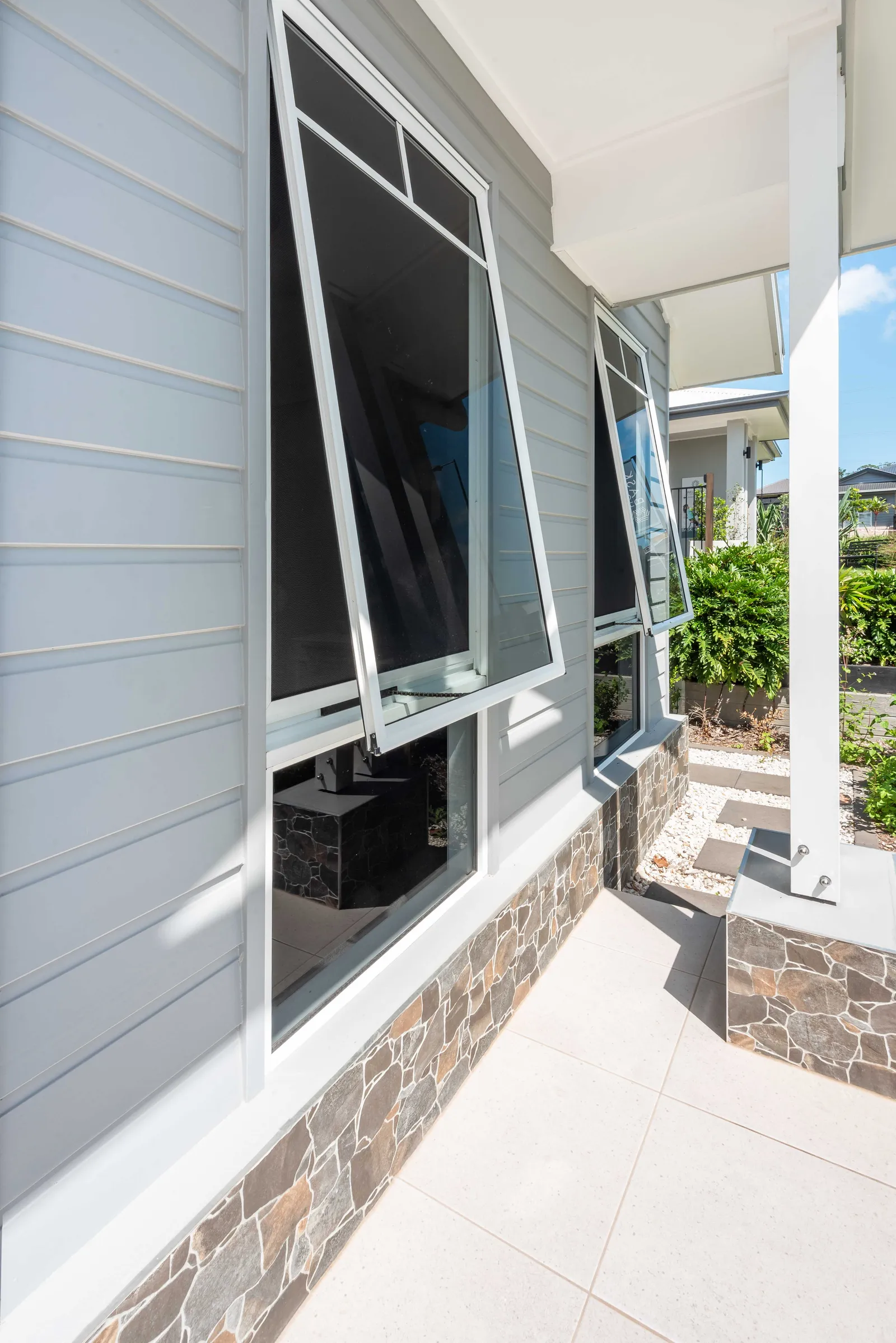
- A broken window winder on an awning or casement window is almost always a winder gear failure, a stripped chain, or a seized mechanism. None of these require a full window replacement.
- The two main winder types in Sydney homes are chain winders (awning windows) and mechanical rack/gear winders (casement windows). Knowing which you have determines how it gets fixed.
- A stiff winder that still turns is usually just a lubrication job. Strip and re-grease before assuming the gear is gone.
- A winder that spins free with no resistance, or a window that won’t stay open, almost always has a stripped gear or broken chain. That needs a part replacement.
- Everclear carries OEM replacement gears for AWS, Truth, Doric, Whitco, and most generic gear profiles. Most window winder repairs in Sydney are completed in a single visit.
A broken window winder starts as a minor irritation and can quickly become a security issue or a ventilation problem you can’t ignore. This guide walks you through what’s actually wrong, which type of mechanism you have, whether it’s worth a DIY attempt, and what a glazier does when they come out to fix it. By the end, you’ll know exactly where you stand.
For professional awning and casement window repair across Sydney, Everclear handles the full scope.
What’s actually wrong with your window winder?
Not all broken winders fail the same way. The symptom tells you a lot about the cause before anyone touches the hardware. Three distinct failure presentations point to different fixes.
1. The winder is stiff and hard to turn, but still works
This is almost always a lubrication issue. Winder gear mechanisms accumulate grit and shed their factory grease over years of use, or the gear housing seizes up gradually, so the window gets harder to open each season until one day it barely moves.
Easily the most fixable scenario: a glazier strips the gear, cleans the mechanism, and re-greases with the right lubricant. It’s usually not a part-replacement job.
2. The winder handle spins freely with no resistance and the window doesn’t move
This is a stripped gear. The teeth on the worm gear inside the winder mechanism have worn through or broken off completely. Turning the handle does nothing because the gear has lost its engagement with the rack or chain. No amount of lubricant fixes a stripped gear; the part needs to be replaced.
3. The window opens fine but won’t stay open; it slowly swings shut on its own
In awning windows, this symptom usually points to a worn or seized friction stay. The friction stay is the arm mechanism that holds the sash at your chosen open angle; the winder gear itself may be perfectly fine. In some cases both the winder and the friction stay fail together, especially on older windows that have never had hardware serviced. A glazier should inspect both components on the same visit.
One thing worth knowing: a grinding or clicking noise when you turn the winder is early-stage gear wear. The teeth are still engaging but starting to skip. Act on it now, before the gear strips completely and turns a service job into a part replacement.
Which type of window winder do you have?
There are generally three main winder types in Sydney homes:
1. Chain winders (usually most common on awning windows)
A chain attached to the sash runs through a gear-driven housing mounted on the frame. Turning the handle drives the chain through the mechanism, which pushes or pulls the sash open and closed.
The chain itself can break, in which case the sash drops suddenly with no resistance. The gear housing can also strip, in which case the handle spins free. Both are part-replacement jobs, and both require matching the chain length and tooth pitch to the original mechanism.
2. Rack/mechanical gear winders (common on casement windows and some awnings)
A worm gear engages a toothed rack fitted to the sash. Turning the handle drives the worm through the rack, moving the sash. These are found on Doric, Whitco, and older generic aluminium casement windows, and in some awning window configurations depending on the build era.
The worm gear teeth wear smooth over time with heavy use. The free-spinning symptom is almost always this mechanism failing.
See also: louvre window repair if you have louvre-style glass panels rather than a single sash, as the hardware differs.
3. Truth scissor winders (architectural and premium awning windows)
Found on higher-spec awning windows designed for larger or harder-to-reach openings. The scissor arm design distributes the operating effort across a wider pivot range, which reduces the force needed to open the window by roughly half compared to a standard worm gear.
Less common in standard residential builds, but regularly seen on architectural projects and commercial properties across Greater Sydney, and repairs require brand-specific components.
How to tell which type you have:
- If you can see a chain feeding through a box housing mounted on the frame, it’s a chain winder.
- If you see a small handle-driven gearbox with an arm but no visible chain, it’s likely a rack/gear mechanism.
- If there’s a scissor-arm assembly that extends as the window opens, it’s a Truth-style winder.
Can you fix a window winder yourself?
Sometimes. Whether DIY is the right call depends entirely on the failure type and which mechanism you’re dealing with.
DIY is a reasonable option when:
- The winder is stiff but still turns. A silicone spray or a light application of WD-40 into the mechanism housing can free it up as a short-term measure. For a longer-term fix, work lithium grease into the accessible gear components to restore smooth operation for a season or more. This is the one scenario where DIY genuinely makes sense.
- You have also found an exact OEM replacement part for your specific mechanism brand and model. Doric and some Whitco components are stocked at select glazier suppliers. The challenge is knowing precisely what you have before you order. Measure the housing, note the brand name on the mechanism, and photograph it before buying anything.
Call a glazier when:
- The handle spins freely. There is no DIY fix for a stripped gear. Lubrication has no effect on teeth that no longer exist. The gear needs to be replaced with an OEM-matched component, which requires knowing the brand, profile, and mounting configuration.
- The chain is broken. A broken winding chain cannot be spliced or repaired in the field. The chain assembly needs to be replaced in full, and the replacement must match the original tooth pitch and length or it won’t engage the drive gear correctly.
- You can’t identify the brand or model of your winder. Ordering the wrong part is the single most common DIY mistake on window hardware. A non-matching winder either won’t fit the mounting bracket or won’t engage the rack, and you’re back to square one.
- The window is high up or difficult to access. Working on an upper-floor awning window from a ladder while managing the sash and the mechanism at the same time is a real safety risk. This is a two-handed job that benefits from a second person and the right equipment.
See also: double-hung window repair for upper-floor windows where access is a factor.
Not sure which category you’re in? Call Everclear first. We’ll tell you over the phone before you spend anything on parts or a Bunnings trip.
Should you fix the winder or replace the whole window?
For most winder failures, repair is the right call. Replacing the mechanism is a fraction of the cost of a new window, and the frame and glass are usually in good shape when the hardware fails. Winder mechanisms wear out; frames and glass often don’t.
Replace the whole window when:
- The frame is corroded, distorted, or pulling away from the wall; a new winder mechanism won’t fix a structural frame issue.
- If the frame has deteriorated to the point where it’s compromised, the window needs to go.
- The window is single-glazed and you’ve already been thinking about a thermal or acoustic upgrade.
- The window is getting a full replacement anyway for performance reasons; there’s no point repairing the existing hardware.
- A new double-glazed unit is the better spend.
- OEM parts for your mechanism are genuinely no longer available. (This is rare, but it does happen with very old or obscure mechanisms from the 1970s and 1980s.) A glazier will tell you if your parts can be sourced.
- The glazier recommends it. If a qualified tradesperson inspects your window on-site and recommends full replacement over repair, take that seriously. They can see things from the outside of the frame that you can’t see from the inside.
In most other cases, including stripped gears, broken chains, and worn friction stays, repair is faster, cheaper, and produces the same result as a new window.
For window repairs across Sydney from the same team that does the installation work, Everclear handles both.
What happens during a professional window winder repair?
If you’ve never had a glazier out for a winder job before, here’s exactly what to expect. The process is straightforward, and for most standard faults it’s done in a single visit.
- Assessment on-site. The glazier inspects the winder, identifies the mechanism type and brand, determines whether the fault is in the gear, the chain, or the friction stay, and provides a quote before touching anything.
- Part identification. The glazier checks their stock for a matching OEM component. Everclear carries parts for AWS, Truth, Doric, Whitco, and most common generic profiles on the truck, which means most repairs don’t require a return visit.
- Sash removal (where required). For a full chain or gear replacement, the sash is carefully removed from the frame to give clean access to the mechanism housing. On most residential awning windows, this takes a few minutes.
- Mechanism replacement. The old gear or chain assembly is removed, the housing and mounting points are cleaned, and the new component is fitted and aligned. For friction stay replacements, the new stay is adjusted for the correct tension at the owner’s preferred open position.
- Test and verify. The window is put through its full range of operation: opened fully, held at a partial position, closed, and locked. The glazier checks for smooth operation, checks the weather seal is seating correctly, and lubricates the hardware before leaving. Walk-through with you before they go.
Most winder repairs wrap up in under an hour. Where a specific OEM part isn’t on the truck (older or less common mechanisms), Everclear secures the window and returns within the week once the part is in hand.
How long do window winders last in Sydney?
Winder lifespan varies by mechanism type, how often the window is used, and where the window faces.
- Chain winders typically last 15–25 years under normal residential use. Kitchen and living room windows that are opened and closed daily wear faster than bedroom windows that stay shut for months at a time. Chain stretch is usually the earliest sign of wear: the window feels slightly slack or loose in its movement before any gear failure shows up.
- Rack and gear winders generally last 10–20 years. They’re heavier to operate than chain mechanisms by design, and the worm gear teeth wear faster with frequent use. Stiffness that gradually gets worse over a season or two is the typical warning sign.
- Truth scissor winders tend to last 20 years or more with minimal maintenance. The scissor arm design distributes the operating load more evenly across the pivot points, which reduces wear on any single contact. They’re among the more durable window mechanisms used in Australian residential construction.
- Local context matters. Western Sydney and Hawkesbury suburbs sit well inland and experience more extreme temperature variation than coastal areas. Summer maximums regularly exceed 40 degrees Celsius in Windsor, Penrith, and the surrounding areas. That daily thermal cycling expands and contracts the aluminium frame and the mechanism housing repeatedly, tightening tolerances and accelerating gear wear compared to a similar window in a coastal suburb. Windows facing north-west take the worst of it.
Frequently asked questions about window winder repairs
Ready to get your window winder sorted?
If you’re not sure which type of winder you have, or whether yours needs a service or a full gear replacement, call the Everclear team first. We’ll give you an honest answer over the phone, and for most jobs we’re in and out in a single visit.
Contact Everclear or call us at 1300 854 726 directly. Same-week appointments available across Sydney. Strata and multi-unit enquiries welcome.
Not sure if it’s a service job or a part replacement? We’ll tell you over the phone. Same-week appointments across Sydney.
Call 1300 854 726